The Truth About Retainers: Why Teeth Shift After Braces or Aligners (And How to Prevent Relapse)
July 12, 2026

Many people believe that once their braces come off or they finish wearing clear aligners, their smile is permanently straight. Unfortunately, that’s one of the biggest misconceptions in orthodontics.

The reality is that teeth naturally tend to move throughout life. Without proper retention, even perfectly aligned teeth can gradually shift back toward their original positions. This process is known as orthodontic relapse, and it can occur months or even years after treatment.
The good news is that relapse is largely preventable. Wearing your retainer as instructed and maintaining regular follow-ups can help preserve the results you’ve worked hard to achieve.
In this comprehensive guide, we’ll explain:
- Why teeth move after orthodontic treatment
- What orthodontic relapse really means
- Why retainers are essential
- Different types of retainers
- How long you should wear them
- What to do if your teeth have already started shifting
- Practical tips to keep your smile straight for years to come
Whether you’ve completed treatment with braces or clear aligners, understanding the role of retainers is one of the most important steps in protecting your investment in your smile.
What Is Orthodontic Relapse?
Orthodontic relapse is the gradual movement of teeth away from their corrected positions after orthodontic treatment has ended.
During treatment, braces or clear aligners apply controlled forces that move teeth through the jawbone. However, moving the teeth is only part of the process. The surrounding bone, gums, ligaments, and soft tissues also need time to adapt to these new positions.
Think of it like straightening a young tree with support stakes. Even after the tree appears upright, removing the supports too early may allow it to bend back. Teeth behave in a similar way. Once the force from braces or aligners is removed, the surrounding tissues naturally try to pull the teeth toward their previous positions until they stabilize.
This is why orthodontists recommend retainers immediately after active treatment.
Without retention, relapse can occur gradually, sometimes so slowly that patients don’t notice until visible crowding or spacing has already developed.
Why Do Teeth Move After Braces or Aligners?
Many patients ask:
“If my teeth are already straight, why don’t they just stay that way?”
The answer lies in biology.
Your teeth are not fixed rigidly into the jawbone. Each tooth is suspended by a specialized tissue called the periodontal ligament, which allows slight natural movement throughout life.
Several factors contribute to tooth movement after orthodontic treatment.
1. The Bone Around Your Teeth Needs Time to Stabilize
Orthodontic treatment works by gradually reshaping the bone surrounding your teeth.
As teeth move, the body continuously removes bone on one side and builds new bone on the other. Even after your treatment is complete, this remodeling process continues for several months.
If retainers are not worn during this period, teeth can drift before the surrounding bone fully stabilizes.
2. Elastic Fibers Around Teeth Have “Memory”
The gum tissues surrounding each tooth contain tiny elastic fibers.
Before treatment, these fibers adapted to your original tooth positions over many years. After treatment, they don’t instantly adjust to the new alignment. Instead, they tend to pull teeth back toward their previous positions—a phenomenon often called “elastic memory.”
Retainers help hold the teeth steady while these tissues reorganize.
3. Natural Aging Changes Your Bite
Even people who have never had braces experience gradual tooth movement over time.
As we age:
- Jaw growth continues subtly.
- Biting forces change.
- Facial muscles evolve.
- Bone density changes.
- Everyday chewing and swallowing place pressure on teeth.
These natural changes explain why even adults who never had orthodontic treatment may notice increased crowding in their front teeth later in life.
4. Wisdom Teeth Are Often Blamed—But They’re Not Usually the Main Cause
For many years, wisdom teeth were thought to push the rest of the teeth forward.
Modern research suggests this isn’t the primary cause of relapse.
While impacted wisdom teeth can sometimes create localized problems, most orthodontic relapse results from a combination of natural aging, tissue memory, and the absence of proper retainer wear.
This is why some people experience relapse even after having their wisdom teeth removed.
5. Inconsistent Retainer Wear
Perhaps the most common reason for relapse is simply not wearing retainers consistently.
Many patients are diligent during the first few weeks after treatment but gradually stop wearing them because:
- The retainer feels uncomfortable after a break.
- Life gets busy.
- They assume treatment is permanently complete.
- They misplace or break the retainer.
- Their teeth still “look straight.”
Unfortunately, teeth can begin shifting long before changes become obvious in the mirror.
Do Teeth Continue to Move Throughout Life?
Yes.
This surprises many people, but teeth are not permanently fixed in one position.
Throughout adulthood, small changes continue due to:
- Natural jaw remodeling
- Changes in bite forces
- Normal wear of teeth
- Gum and bone changes
- Everyday chewing and swallowing
- Grinding or clenching (bruxism)
For this reason, orthodontists often say:
Retainers don’t just prevent relapse—they help manage the natural tendency of teeth to move throughout life.
Even someone who never needed braces as a teenager may notice mild crowding of their lower front teeth in their 30s, 40s, or beyond.
Is Relapse More Common After Braces or Clear Aligners?
One common myth is that teeth relapse more after clear aligners than after braces.
In reality, the type of orthodontic appliance is not the main factor.
Research shows that relapse depends much more on:
- The original complexity of the case
- The quality of treatment planning
- Patient compliance during treatment
- Consistent retainer wear after treatment
- Long-term follow-up
Both braces and clear aligners can produce excellent, stable results when followed by an appropriate retention plan.
Patients who wear their retainers as instructed generally maintain their results regardless of whether they were treated with braces or aligners.
Is Some Tooth Movement Normal?
Yes.
Not every tiny movement is considered a relapse.
Minor changes over many years can occur naturally and may not affect your bite or appearance significantly.
However, you should seek professional advice if you notice:
- Increasing crowding of the front teeth
- New gaps developing
- Your bite feeling different
- Teeth overlapping
- Difficulty flossing where you previously could
- A retainer that suddenly feels tight or no longer fits
Addressing small changes early is often simpler, faster, and less expensive than correcting significant relapse later.
How to Prevent Relapse and Why Early Detection Matters
Relapse rarely happens overnight.
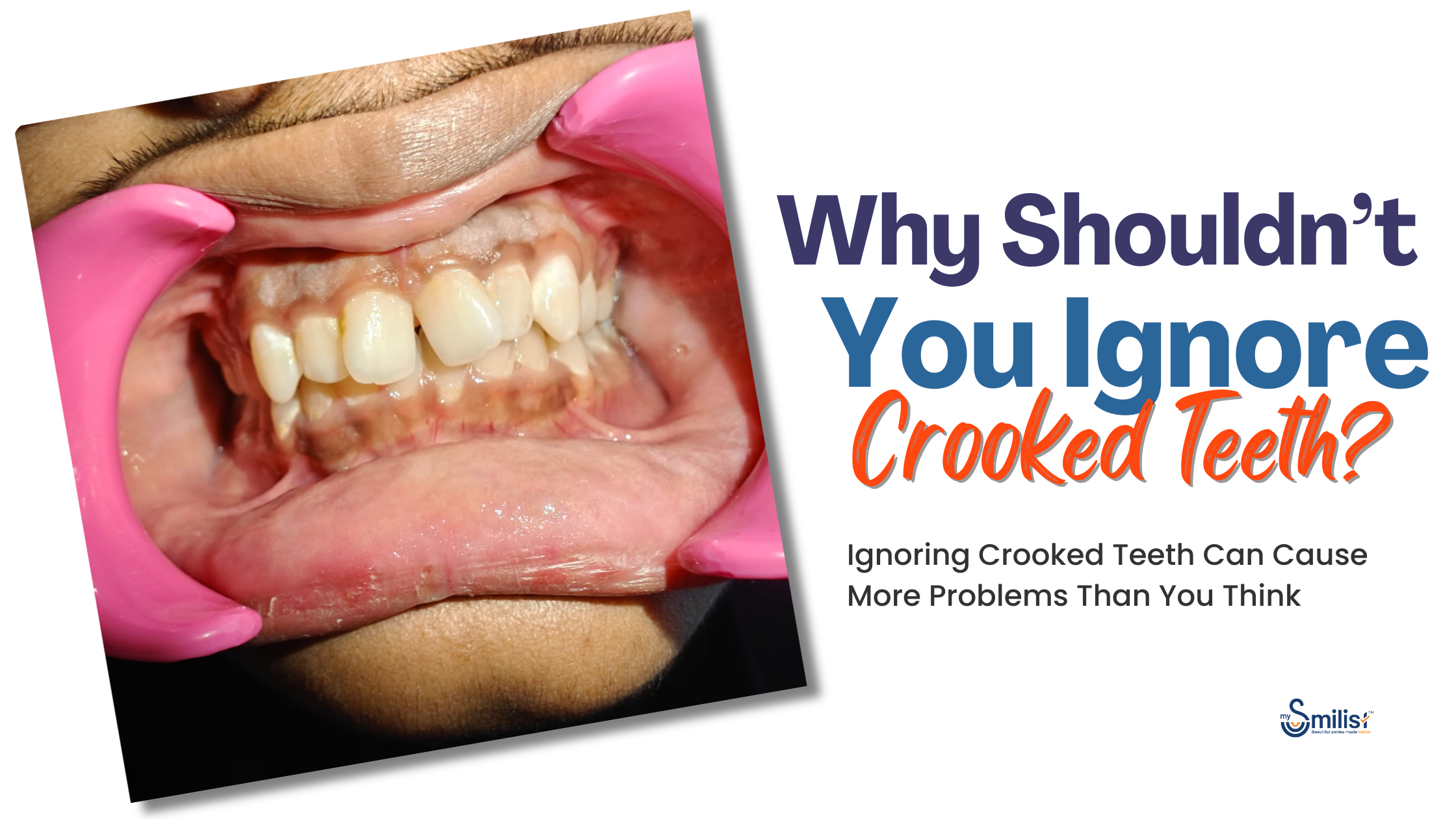
It often begins with subtle movements that are easy to overlook. A slight rotation of a front tooth, a small gap reappearing, or a retainer feeling tighter than usual can all be early warning signs.
When these changes are identified early, they may be corrected with a short course of clear aligners or, in some cases, simply by resuming consistent retainer wear under professional guidance.
Waiting until the changes become obvious usually means more extensive treatment is needed.
Protecting your smile doesn’t end when the last aligner or bracket comes off—it continues with good retention habits and regular monitoring.